
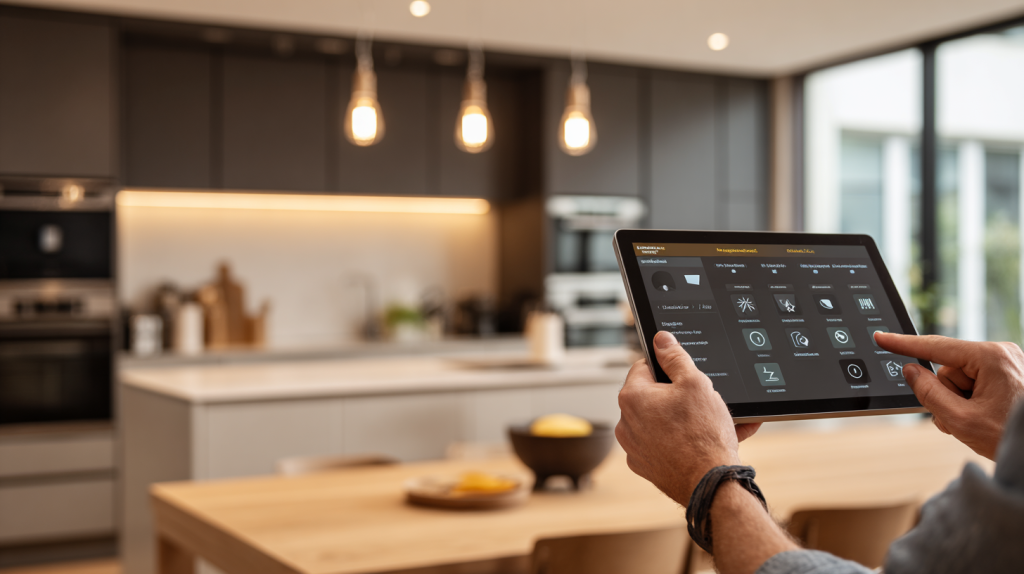
Smart home technology is no longer something you only see in high-end properties or futuristic concepts—it’s quickly becoming part of everyday life across Liverpool. From first-time buyers upgrading older homes to landlords improving rental properties, more people are investing in smarter, more efficient living spaces.
A big part of this shift is the need to modernise existing electrical systems. Many older properties simply aren’t designed to handle today’s demand for connected devices, smart lighting, and advanced security systems. That’s why projects like rewiring a house are becoming increasingly common, especially before installing smart home features. If you’re planning an upgrade, it’s worth understanding the process, costs, and what’s involved in advance—this guide on house rewiring in Liverpool costs timeframe what to expect explains it in detail.
What’s driving this change is a mix of rising energy costs, increased focus on home security, and the demand for convenience. Homeowners now expect to control heating, lighting, and appliances directly from their phones or through voice assistants, making everyday living simpler and more efficient.
For electricians, this isn’t just about installing new devices—it’s a complete shift in how electrical systems are designed and delivered. Modern electrical services now combine traditional wiring with smart integration, ensuring homes are not only safe and compliant but also future-ready.
What is Smart Home Technology?
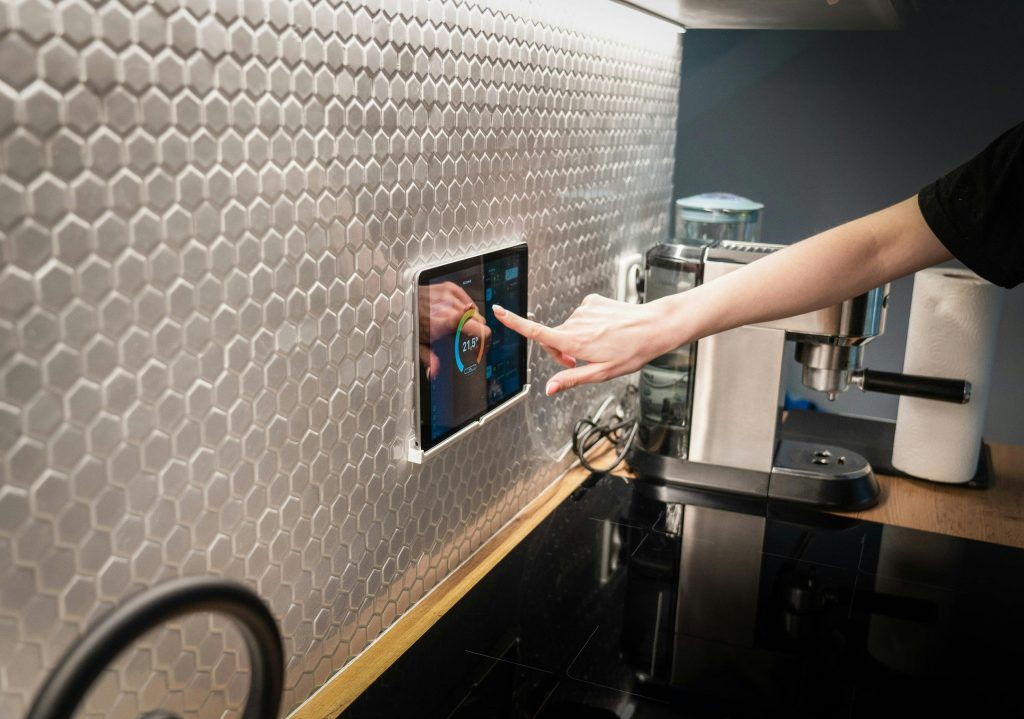
Smart home technology refers to a connected system in which electrical devices and appliances in your home can communicate with one another and be controlled remotely. Instead of relying on traditional switches and manual controls, homeowners can manage lighting, heating, security, and more through mobile apps or voice assistants. This creates a more efficient, convenient, and responsive living environment, especially in modern homes across Liverpool.
These systems are typically installed alongside electrical upgrades, ensuring the property can safely handle increased demand and connectivity. It’s also important to have reliable support in place, as smart systems still depend on your core electrical infrastructure. In urgent situations, having access to professional help is essential—learn more about electrical emergencies in Liverpool and how expert electricians can quickly resolve issues.
Smart home technology includes a wide range of features, such as:
- Remote control of lighting, heating, and appliances via smartphone apps
- Voice-controlled systems using assistants like Alexa or Google Home
- Smart thermostats that adjust temperature automatically for energy efficiency
- Integrated security systems, including CCTV, alarms, and motion sensors
- Automated routines, such as lights turning on at sunset or heating switching off when you leave
- Real-time alerts and monitoring for safety and convenience
Overall, smart home technology is about creating a connected, automated home that improves comfort, reduces energy usage, and enhances security—all while giving homeowners greater control over their property.
Why Smart Homes Are Growing In Popularity in Liverpool?
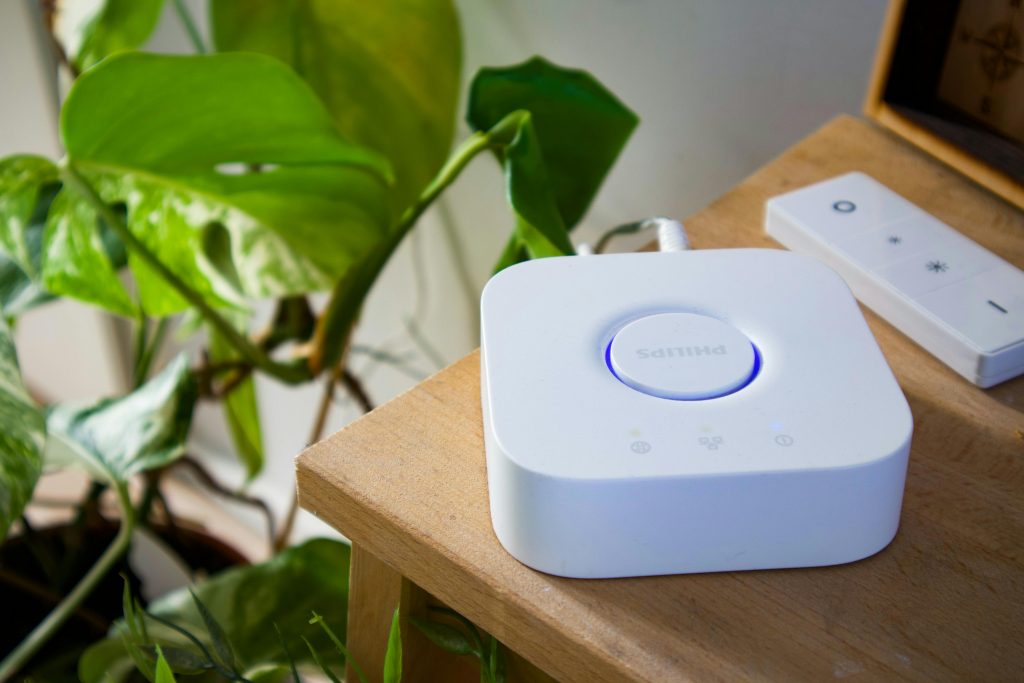
Smart homes are really taking off in Liverpool, and it’s not hard to see why. What was once a luxury feature is now something lots of homeowners are actively looking for when they upgrade their property. The shift is driven by a mix of practical benefits – people want homes that are more efficient, secure and easier to manage on a day-to-day basis.
One of the main reasons behind this growth is rising energy costs. Loads of households are turning to smart thermostats and energy-monitoring systems to better control their usage and save on bills. Energy efficiency is a major driver of adoption across the UK, with smart devices helping homeowners manage their consumption more effectively. And then there’s the convenience factor – being able to control lighting, heating and appliances from your phone, or automating them completely, makes everyday life just that bit simpler and more flexible.
Security is another key driver. Smart CCTV systems, doorbells and alarms let homeowners keep an eye on their property in real time, whatever they’re up to. This added layer of control and peace of mind is one of the main reasons people invest in smart tech. And at the same time, modern buyers and renters are increasingly expecting these features as standard – especially younger, tech-savvy generations who are used to connected living.
As demand continues to grow, proper planning has become essential. Smart systems require a well-designed electrical setup to work efficiently and safely, particularly in older properties. This is where professional services play a key role—if you’re considering upgrading your home, it’s worth understanding how systems are structured and installed. You can explore more about this through electrical design services in Liverpool, which explain how modern electrical layouts are tailored for smart technology.
Overall, smart homes are getting more popular because they offer real, practical benefits. From saving money on energy bills to improving security and making daily routines easier, they’re quickly becoming a standard feature in homes across Liverpool – rather than just an optional upgrade.
Key Smart Home Systems Transforming Electrical Services
Smart home technology isn’t just one system—it’s a combination of different features working together to create a fully connected home. For electricians in Liverpool, this means moving beyond basic installations and delivering integrated systems that improve efficiency, safety, and everyday convenience.
These systems are changing how electrical work is planned and installed, often requiring smarter design, better wiring infrastructure, and ongoing support. And because everything is connected, having access to fast, reliable help is essential—especially if something goes wrong. In urgent situations, it’s always worth knowing where to find a trusted emergency electrician in Liverpool.
Below are the key smart home systems driving this transformation:
Smart Lighting Systems
Smart lighting is often the first step for homeowners entering the world of smart technology. Instead of simple on/off switches, lighting can now be controlled remotely, scheduled, or automated based on your routine.
- Control lights via smartphone or voice commands
- Set schedules or motion-based activation
- Adjust brightness and colour to suit the mood or time of day
- Improve energy efficiency and reduce unnecessary usage
Smart Heating and Thermostats
Heating systems have become far more intelligent, allowing homeowners to control temperature with precision and reduce energy waste.
- Remote control of heating from anywhere
- Learning behaviour to automatically adjust temperatures
- Lower energy bills by avoiding heating empty rooms
- Integration with wider home automation systems
Home Automation Systems
This is the central system that connects everything together. Instead of managing devices individually, automation systems allow your home to run on routines and triggers.
- Control multiple devices from one app or hub
- Set automated routines (e.g. “leave home” or “night mode”)
- Devices communicate and respond automatically
- Creates a seamless and fully integrated home experience
Smart Security and CCTV Systems
Security is one of the biggest reasons homeowners invest in smart technology. Modern systems offer real-time monitoring and instant alerts.
- CCTV cameras with live streaming to your phone
- Smart alarms and motion sensors
- Video doorbells and remote access control
- Instant notifications for unusual activity
EV Charger Integration
With more people switching to electric vehicles, home charging is becoming a key part of modern electrical installations. Smart chargers take this a step further by optimising energy use.
- Schedule charging during off-peak hours
- Control charging remotely via apps
- Integrate with solar panels or home energy systems
- Reduce electricity costs and improve efficiency
Overall, these systems are transforming electrical services from simple installations into fully connected solutions. Electricians now play a bigger role in designing, integrating, and maintaining smart environments—helping homeowners future-proof their properties while improving comfort, safety, and efficiency.
How Smart Technology is Changing the Role of Electricians?

Smart home tech is changing the role of electricians in a big way. It’s no longer just about doing the basics – today’s electricians need to know how everything in a home fits together and works. As more homes in Liverpool upgrade to smart features, the job’s evolved into something much more technical – requiring a mix of electrical knowledge and digital know-how.
One of the biggest changes is the move from traditional wiring to full smart integration. In the past, electrical work was mostly about standalone installations. Now, electricians are designing systems where lighting, heating, security and appliances all talk to each other through a central hub. This means laying out the wiring a lot more carefully, making sure it can handle all the connected devices and setting up systems that homeowners can easily control and manage.
There’s a growing demand for certified electricians who understand smart home tech – installing these systems is not just about slapping devices in, it requires knowledge of safety standards, the right configuration and making sure it all works as expected. Homeowners are looking for pros who can deliver good, compliant installations that won’t cause problems in the long run.
Another factor is system compatibility and networking – with so many different brands and technologies out there, not all devices automatically work together. Electricians now need to make sure everything’s compatible right from the start – from smart hubs to Wi-Fi connectivity, so the system runs smoothly without any hiccups. This often involves troubleshooting, optimising networks and making sure there are strong stable connections all over the property.
Overall, smart home tech has transformed electricians into system integrators. Their job now goes way beyond basic electrical work – they’re helping design, install and maintain intelligent homes that are built to last.
Benefits of Smart Home Technology for Homeowners
Smart home technology is becoming increasingly popular among homeowners in Liverpool because it offers practical, everyday advantages that improve how homes function. These systems help make properties more efficient, secure, and easier to manage, while also supporting long-term savings and modern living.
- Energy efficiency and cost savings through automated heating, lighting, and smart energy monitoring systems
- Reduced electricity usage by ensuring appliances and lighting only operate when needed
- Improved safety and security with smart CCTV, alarms, motion sensors, and instant mobile alerts
- Remote monitoring and control of the property from anywhere using a smartphone or tablet
- Smart video doorbells that allow live viewing and communication with visitors
- Easy control of lighting, heating, and appliances through apps or voice assistants
- Automation of daily routines such as scheduled lighting, heating adjustments, and timed device control
- Real-time energy tracking to help homeowners understand and manage consumption
- Increased property value due to modern electrical upgrades and smart installations
- Enhanced comfort through tailored lighting levels, heating preferences, and automated settings
- Integration with other systems, such as EV chargers, security networks, and energy management tools
- Improved overall home efficiency through connected systems working together seamlessly
Smart Electrical Upgrades for Liverpool Homes
Smart home systems rely heavily on having a strong, modern electrical foundation. In many older properties across Liverpool, upgrades are often required before smart technology can work safely and reliably. These improvements don’t just support new devices—they also enhance safety and efficiency and future-proof the entire property.
- Rewiring for Smart Systems
Older wiring is often not designed to handle the demands of modern smart devices. Rewiring ensures circuits are safe, properly distributed, and capable of supporting lighting controls, smart heating, security systems, and connected appliances. It also reduces the risk of faults and improves overall system reliability when multiple smart devices run simultaneously. - Upgrading Consumer Units
A modern consumer unit is essential for smart homes. Upgrades typically include RCD and RCBO protection, which improve safety by quickly isolating electrical faults. This also allows for additional circuits needed for EV chargers, smart lighting zones, outdoor systems, and future electrical expansions without overloading the system. - Installing Data Cabling and Wi-Fi Enhancements
Smart homes depend on strong connectivity. Structured data cabling helps create a stable wired backbone for devices that need consistent performance, while upgraded Wi-Fi systems (such as mesh networks) ensure full coverage throughout the property. This prevents signal dropouts and keeps all smart devices communicating smoothly. - Smart Lighting Circuit Design
Modern smart lighting requires carefully planned circuits that support dimming systems, app control, and automation. Proper design allows homeowners to control lighting by zones, schedules, or motion sensors without compatibility issues. - Integration for EV Chargers and High-Load Appliances
With the rise of electric vehicles, many homes now require dedicated circuits for EV charging points. These must be properly integrated into the existing system to balance load and prevent overload, especially when combined with other smart technologies. - Surge Protection Installation
Smart homes contain sensitive electronics that can be affected by power surges. Installing surge protection devices helps safeguard systems like smart hubs, televisions, security systems, and connected appliances from sudden voltage spikes. - Smart Control Panel Installation
Centralised control panels or hubs allow homeowners to manage multiple systems from one interface. This requires careful electrical planning to ensure all devices are correctly connected and communicating efficiently. - Energy Monitoring Systems
Installing energy monitoring devices helps homeowners track electricity usage in real time. This supports better energy management and helps identify high-usage appliances, contributing to lower energy consumption over time.
Smart Technology for Commercial and Industrial Properties
Smart technology is playing a major role in transforming how commercial and industrial buildings operate across Liverpool. From offices and retail spaces to warehouses and large facilities, businesses are increasingly adopting intelligent systems to improve efficiency, reduce costs, and strengthen building control. These systems are designed to streamline operations while supporting long-term sustainability and safety goals.
- Office Automation
Modern offices are using automation to create more efficient and responsive working environments. Lighting can automatically adjust based on occupancy, heating and cooling systems can respond to real-time conditions, and equipment such as projectors and meeting room systems can be controlled centrally. This reduces manual input, improves workflow efficiency, and helps businesses manage energy use more effectively throughout the day. - Energy Management Systems
Energy management is becoming essential for controlling operational costs in commercial buildings. Smart systems provide real-time data on electricity usage, helping businesses identify high-consumption areas and reduce unnecessary waste. Automated controls for lighting, HVAC systems, and machinery ensure that energy is used only when needed, while detailed reporting supports long-term efficiency planning and sustainability targets. - Security and Access Control
Advanced security systems now combine CCTV, alarms, and access control into one integrated platform. Businesses can manage entry points using keycards, mobile credentials, or biometric systems, while also monitoring activity remotely. These systems allow for customised access levels for staff, detailed entry logs, and instant alerts for suspicious activity, helping improve both security and operational oversight. - Smart Lighting Control Systems
Large commercial spaces benefit greatly from automated lighting systems that adjust based on occupancy, daylight levels, or time schedules. This not only reduces energy consumption but also improves workplace comfort and visibility. Lighting zones can be managed individually to suit different departments or usage patterns. - Predictive Maintenance Systems
Smart monitoring tools can detect early signs of electrical faults or equipment failure before they become serious issues. This helps businesses reduce downtime, avoid costly repairs, and maintain smooth operations by addressing problems early through scheduled maintenance. - Remote Building Management
Facility managers can now control and monitor entire buildings remotely through centralised platforms. Heating, lighting, security, and energy systems can all be adjusted in real time, allowing for faster decision-making and improved building performance even when off-site.
Why Hiring a Professional Electrician is Essential?
The truth is, when it comes to smart home systems and electrical upgrades, hiring a qualified pro is not just a good idea – it’s essential. Smart tech relies on good wiring, safe installations and properly set-up systems – get any of those wrong and you’re looking at performance issues, connectivity failures or even safety risks. And it’s not just modern homes that are at risk – older properties in Liverpool can be particularly vulnerable.
Working with a professional electrician ensures that all the work is done to the letter, using the right methods and materials to keep you safe and the system running smoothly for years to come. This is especially important when integrating new systems like smart lighting, EV chargers and security networks – where all sorts of different technologies need to work together seamlessly.
At Maxim Electrical Contractors, you get more than just installation – you get complete system planning, design and support from a team of experienced pros. We know how to upgrade older electrical setups to handle modern smart tech, so you can rest assured everything is properly connected from the consumer unit right down to the final device. Whether you’re rewiring an old house, upgrading the fuse board or installing smart systems, our focus is on delivering safe, efficient and future-proof solutions.
Maximec also provides a full range of services, including emergency support, which is important when dealing with complex electrical systems. If something goes wrong, having access to a trusted emergency electrician in Liverpool ensures issues are dealt with quickly and safely, minimising disruption and protecting your property.
Ultimately, professional installation is what makes smart home technology reliable. With expert planning and execution, homeowners can enjoy all the benefits of connected living without worrying about safety, compatibility, or system failures.