

TLDR
A typical Liverpool EICR costs £140 to £220 plus VAT for a single-let two or three bed in 2026, £280 to £420 plus VAT for a five-bed HMO, and £200 plus VAT upwards for commercial premises depending on circuit count. None of those figures includes any remedial work, which is quoted separately once the inspection identifies what needs putting right.
This guide covers what changes the price, the difference between fixed-price and per-circuit billing, and the four hidden costs to ask about before you commit. About a 6 minute read.
Ask three Liverpool electricians for an EICR quote on the same property and you’ll get three different numbers. The price gap is usually about £100 between cheapest and dearest, sometimes more. The reason isn’t who’s overcharging; it’s that the EICR scope itself is genuinely different from one quote to the next.
This guide explains where the difference comes from, what’s a fair price for what you’re actually getting, and the four cost lines that are easiest to miss when comparing quotes side by side.
EICR cost in Liverpool by property type, 2026
Indicative all-in fee for the inspection plus the written report, current 2026 pricing in the Liverpool and wider Merseyside market:
- 1 bed flat or studio. £120 to £170 plus VAT.
- 2 bed flat or 2 bed terrace. £140 to £190 plus VAT.
- 3 bed terrace, semi or 3 bed flat. £160 to £220 plus VAT.
- 4 bed semi or detached. £190 to £260 plus VAT.
- 5 bed plus detached, large period property. £240 to £320 plus VAT.
- HMO, 4 bed. £240 to £340 plus VAT.
- HMO, 5 to 6 bed. £280 to £420 plus VAT.
- HMO, 7 plus bed or multi-floor conversion. £400 plus VAT, quoted on survey.
- Commercial unit (single board). £200 to £350 plus VAT.
- Commercial unit (multi-board, three-phase). £400 plus VAT, quoted on survey.
- Light industrial, 1 to 5 distribution boards. £450 to £900 plus VAT.
These are real bands rather than headline-low figures. Quotes well below the lower bound usually mean a corner is being cut somewhere on test depth, on the report write-up, or on the engineer’s qualification level. The £150 to £300 figure that gets quoted on national pages, including the Electrical Safety First landlord guide, is a UK-wide average that doesn’t reflect Liverpool labour rates and the typical Merseyside property book.
What changes the price: the five real factors
Before you reject the higher quote, check whether it’s solving for one of these five legitimate cost drivers:
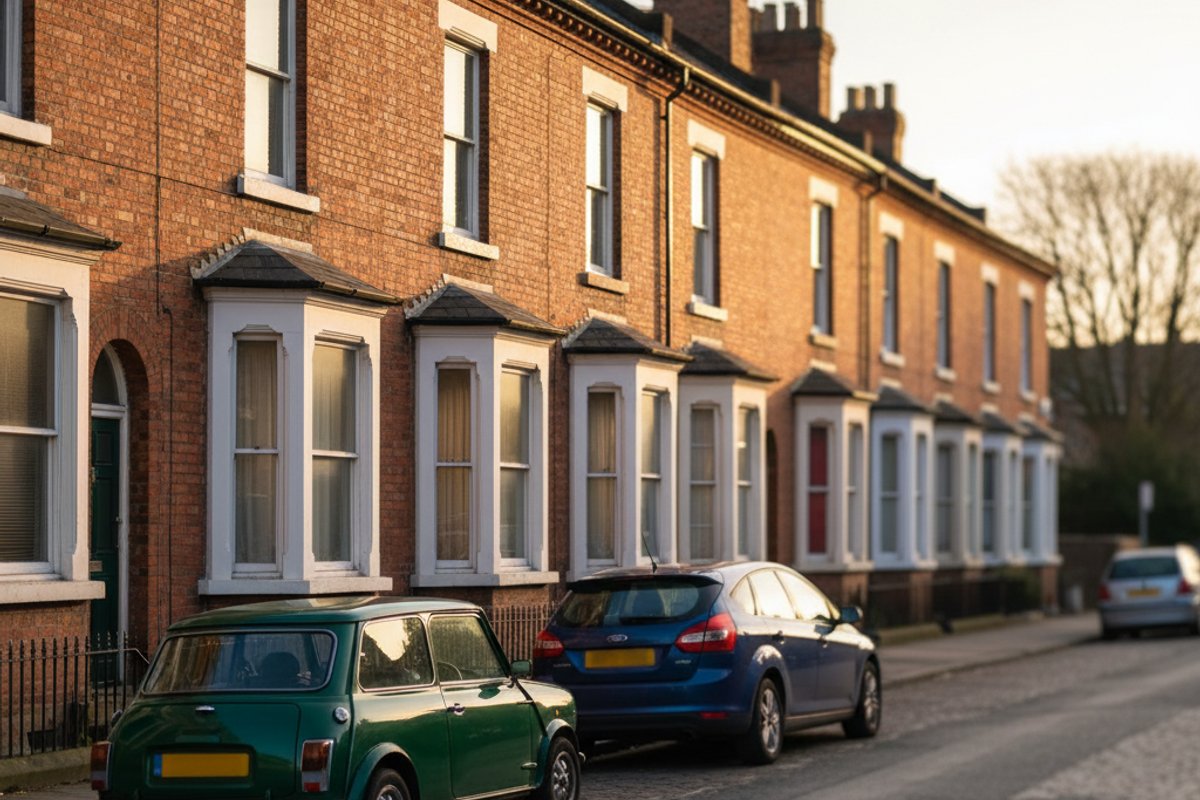
- Number of circuits, not bedrooms. A two-bed flat with a single 6-way consumer unit is fast. A two-bed flat in a converted Georgian property in Toxteth with two boards and a separate sub-main feeding an attic studio takes twice as long.
- Property type and access. Loft circuits, basement boards, sealed cupboards and soffit-fitted lighting that’s hard to test add time. Tenanted properties where the engineer is working around in-situ tenants take longer than void inspections.
- Test depth. The minimum test schedule under BS 7671 is fixed, but some firms include extras as standard: PAT testing, fire alarm function check, Earth electrode resistance measurement on a TT supply, RCD ramp test rather than a simple trip test. The difference between the cheapest and middle quotes is often this.
- Report quality. A two-page summary with codes is technically a report. A 12-page report with a Schedule of Inspections, a Schedule of Test Results signed by the inspecting electrician, photographs of each defect, and a plain-English commentary is what the council and most letting agents accept. The latter takes longer to write up.
- Engineer qualification level. An EICR can be carried out by anyone competent under BS 7671, but the inspection-and-testing qualification (City & Guilds 2391 or 2394/2395) is the trade benchmark. Firms that staff EICRs with 2391-qualified engineers are usually more expensive, and the report tends to hold up better against challenge.
Fixed price vs hourly vs per-circuit
Three billing structures are common in the Liverpool market. Each has a fair use case and an unfair one.
- Fixed price. One number, all in. The standard for residential and HMO inspections. Fair for most properties because the engineer absorbs the risk of an unexpectedly long inspection. Watch for a “from £X” headline that doesn’t match the quote you receive after survey.
- Hourly rate. Used for commercial and industrial inspections where circuit count is uncertain. Fair when the firm provides an upper-bound estimate after a brief site survey. Unfair when the quote starts open-ended and the meter is left running.
- Per-circuit billing. Common with one or two regional firms. The headline rate looks low but the total adds up fast on properties with anything more than a basic 6-way board. Fair only if the firm states the per-circuit rate clearly and gives you the total at quote stage. Otherwise treat as a flag.
If a quote has any of “from £X”, “starts at £X” or “£X plus a small fee per circuit” without an explicit total, ask for the all-in fixed price in writing before you book.
What’s NOT included in the EICR fee
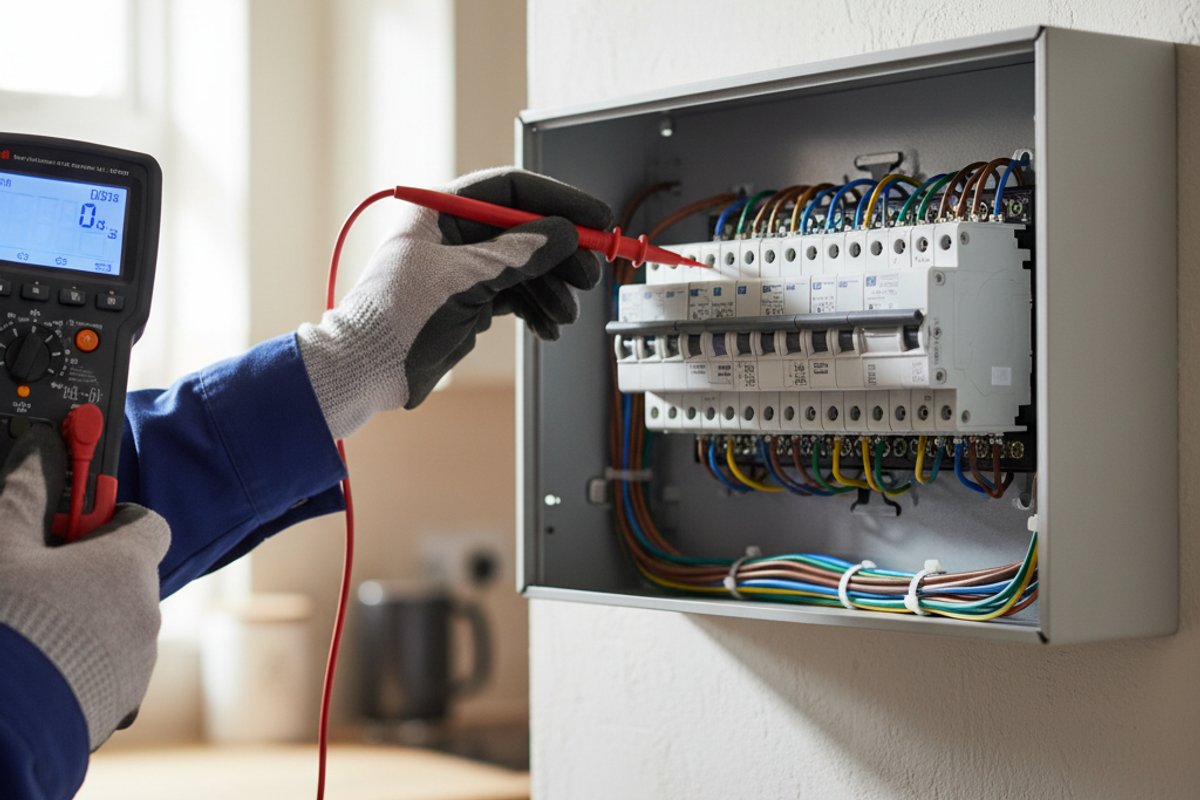
This is the line item most homeowners and landlords miss. The EICR fee covers the inspection, the testing schedule and the written report. It does not include:
- Remedial work for any C1, C2 or FI items. Quoted separately after the report is issued. Typical remedial costs run from £180 for a single C2 fix up to £3,500 for multi-circuit repair, before any rewire conversation.
- Re-test and reissue of the EICR. Once remedial work is done, the report has to be reissued as satisfactory. Most firms include this at no extra charge if they’re doing the remedial work themselves; firms that don’t will charge a second visit fee.
- PAT testing of portable appliances. Separate certificate; usually £1 to £3 per appliance with a minimum job fee, often combined with the EICR visit.
- Fire alarm test and certification. A separate BS 5839 certificate, typically £80 to £180 plus VAT depending on system size, also usually combined with the EICR visit.
- Out-of-hours premium. Evening, weekend or short-notice slots typically £40 to £80 above the standard fee.
If you’re a landlord booking the visit anyway, asking for the PAT and fire alarm to be done in the same trip is usually cheaper than three separate visits. The legal timelines and Liverpool council process that sit alongside the cost question are covered in our Liverpool landlord EICR guide.
From a recent job
“Mike and Liam were professional and communicated well during the whole job. Mike explained clearly all the steps involved, costs and provided options. I am more than happy with the results. Both worked above and beyond.”
Carol Jones, HomeownerThe remedial cost question, in one paragraph
Most Liverpool EICRs come back satisfactory. The minority that don’t tend to follow a pattern. A single C2 on the consumer unit usually means a board upgrade, typically £450 to £900 plus VAT including the new 18th Edition compliant unit. Multiple C2s on different circuits often points at the cable rather than the fittings, in which case a partial rewire makes more sense than chasing repeat remedials at £1,800 to £3,500 plus VAT. A pre-1970s rubber-cable property with multiple C2s and one or two FIs is usually a full rewire conversation, £3,200 to £6,500 plus VAT for a 2-3 bed terrace. Ask for both options written down before you commit.
How to get a meaningful EICR quote
The five details that turn a guesstimate into a real quote:
- Property type and number of circuits. A photo of the consumer unit (cover off if safe) tells the firm everything they need.
- Tenanted or void. Affects scheduling and access time.
- What you need it for. Landlord licence renewal, pre-sale, mortgage condition, post-rewire periodic. Affects scope and turnaround urgency.
- Existing certificates you have. Recent EIC for a board change, an EICR from three years ago, Part P notification for a kitchen rewire. Affects what the new EICR has to retest.
- Whether you also need PAT or a fire alarm certificate. Combining trips usually saves £60 to £120.
Send those five lines to two or three NICEIC, NAPIT or SELECT registered firms and you’ll get comparable quotes back. Quotes that come in significantly below the rest are usually solving for “test depth” or “report quality” by cutting them; quotes significantly above are usually solving for engineer qualification level. Both can be a fair trade depending on what you need. Our electrical certificates page lists every certificate type we issue if you want to see what each one looks like, and our EICR service page has the booking process for an inspection.
Frequently Asked Questions
How much does an EICR cost in Liverpool in 2026?
£140 to £220 plus VAT for a typical single-let 2 or 3 bed. £280 to £420 plus VAT for an HMO of 5 to 6 bedrooms. £200 plus VAT upwards for commercial premises, scaling with the number of circuits and distribution boards.
Why are EICR quotes so different from each other?
Three reasons usually account for the spread. Number of circuits and access on the property, depth of testing carried out, and the engineer’s qualification level. A two-page tick-list report at £100 and a 12-page coded report at £190 are both technically EICRs, but they’re not the same document.
Does the EICR fee include any remedial work?
No. The fee covers the inspection, testing and written report only. Any C1, C2 or FI defects are quoted separately as remedial work. A reputable firm will tell you the inspection price up front and quote the remedial separately once the report identifies what needs putting right.
Is per-circuit billing legitimate?
It can be, when the per-circuit rate is stated up front and the total is given at quote stage. The risk is when “from £X plus a small per-circuit charge” is the headline and the total isn’t pinned down until the engineer is on site. Ask for an all-in fixed price in writing before booking.
Should I get the cheapest EICR I can find?
No. The £80 to £100 EICRs that crop up on Bark or Checkatrade for older properties usually correspond to either a thin tick-list report that the council won’t accept, or a less-experienced engineer who’ll miss real defects. The middle quote is usually the right quote.
Can I combine the EICR with PAT testing or fire alarm certification?
Yes, and it’s almost always cheaper than booking separate visits. PAT runs at £1 to £3 per appliance with a minimum fee, fire alarm certification at £80 to £180 plus VAT depending on system size. Combined with an EICR visit you typically save £60 to £120 against three separate trips.
Related Services
EICR quote for your Liverpool property?
Send a photo of the consumer unit and the property type and we’ll give you a fixed-price written quote the same working day. Combined PAT and fire alarm certification on request.
NICEIC-registered with Platinum Promise cover. Based in Rainhill; covering Liverpool and the North West. Call 0151 792 3243 or request a free no-obligation quote.