
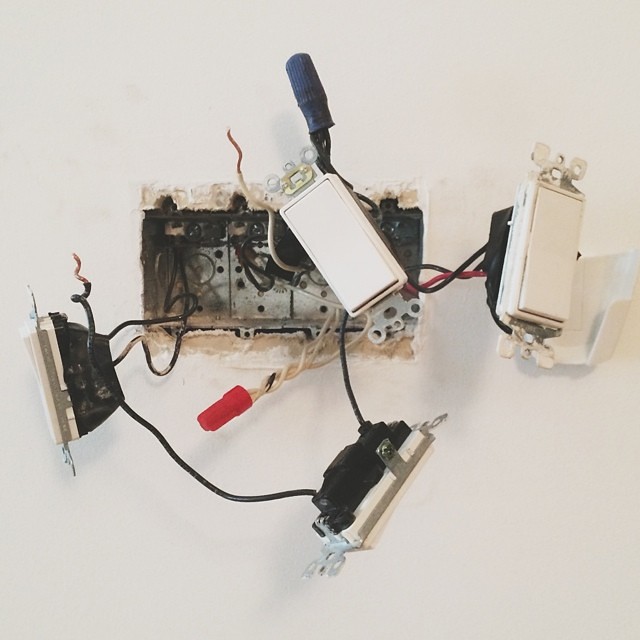
House rewiring is a major electrical project that requires careful consideration and planning. Before starting any electrical work, several important steps need to be taken, including thorough inspections, detailed planning, precise design, and accurate calculations. At Maximec, we specialise in house rewiring in Liverpool and the North West, and we understand how complex the process can be. That’s why we’ve gathered essential information to help you understand what’s involved in rewiring a house and how to approach the project safely and efficiently.
If you own an older property or have been experiencing electrical issues, rewiring your home may be necessary to ensure safety and improve efficiency. Rewiring involves replacing old or faulty electrical wiring with new cables, sockets, and circuit breakers that meet current UK safety standards. For homeowners in Liverpool, understanding the costs, timeframe, and process of house rewiring is essential to prepare for this important upgrade.
In this article, we’ll walk you through everything you need to know about house rewiring in Liverpool — from average prices and typical timelines to what you can expect during the work itself. Whether you’re planning a full house rewire or a partial upgrade, this guide will help you make informed decisions and choose the right professional for the job. For professional guidance and expert electrical services in Liverpool, visit Maximec to learn more about how we can support your rewiring needs.
Does My House Need Rewiring?

If your home is around 30 years old and still has its original wiring, it’s highly likely that rewiring is necessary. This is important not only to maintain safety but also to ensure your electrical system meets current UK standards. When purchasing an older property, it’s essential to have a licensed electrician perform a thorough inspection to confirm the wiring is safe and compliant.
For homeowners, it’s recommended to have an electrical inspection every 10 years, while rented properties should be checked every 5 years. Additionally, if you’re extending or converting your home, all new wiring must comply with the latest Building Regulations to ensure safety and legal compliance.
Rewiring not only improves safety but also allows you to upgrade your home’s electrical capacity, such as installing more power outlets and switches to accommodate modern appliances like TVs, computers, and kitchen devices.
Here are some common warning signs that your property may need rewiring:
- Frequent tripping of circuit breakers, which can cause electrical overloads
- Flickering or dimming lights, indicating faulty or damaged wiring
- Signs of exposed or damaged wires
- Burn marks or unusual smells near sockets or switches
- Outdated fuse boxes or breakers that don’t meet current standards
If you notice any of these issues, it’s best to contact professional residential electrician services for a comprehensive inspection and expert rewiring solutions to keep your home safe and efficient.
Is It Worth Rewiring a House?
Rewiring a house is a significant but highly valuable investment that ensures your home is safe, energy-efficient, and compatible with modern electrical demands. Over time, the wiring in older homes can become outdated, worn, or damaged, which poses serious safety risks like electrical shocks, fires, and frequent power issues. Rewiring replaces all the old electrical cables with new, high-quality wiring designed to meet current safety regulations and accommodate today’s technology and appliances.
What Does Rewiring Involve?
Rewiring usually means removing the existing electrical wiring hidden behind walls, ceilings, and floors, and installing fresh wiring with improved insulation and protective coatings. This upgrade allows your home’s electrical system to handle increased power loads safely and reliably. The process is thorough, often involving the installation of new sockets, switches, circuit breakers, and sometimes fuse boards, all aligned with modern building codes.
Why Should You Rewire Your Home?
- Improved Safety:
Old or damaged wiring increases the risk of electrical faults, including shocks and fires. Proper rewiring ensures your home meets current safety standards, dramatically reducing these dangers and giving you peace of mind. Modern wiring materials are better insulated and more resistant to wear, which makes them safer in the long term. - Energy Efficiency:
New wiring systems are designed to carry electrical loads more efficiently, reducing power wastage. This can lead to lower electricity bills as your home uses energy more effectively. Additionally, modern electrical systems better support energy-efficient appliances and smart home devices, helping you save even more. - Enhanced Home Value:
Upgrading your wiring can increase your property’s resale value. Potential buyers are more likely to invest in a home with a safe, up-to-date electrical system, knowing they won’t face costly repairs or rewiring soon after purchase. It’s a strong selling point and a mark of a well-maintained property. - Capacity for Modern Appliances:
Older wiring often can’t support the number or power of modern electrical devices, leading to tripped breakers or flickering lights. Rewiring allows you to install more outlets and safely run contemporary appliances, home entertainment systems, computers, and other devices without worry. - Compliance with Regulations:
Building regulations and electrical standards evolve. Rewiring ensures your home complies with the latest requirements, especially if you’re renovating, extending, or converting your property. This compliance is essential for insurance and safety certifications.
Planning the Rewiring Process in Liverpool
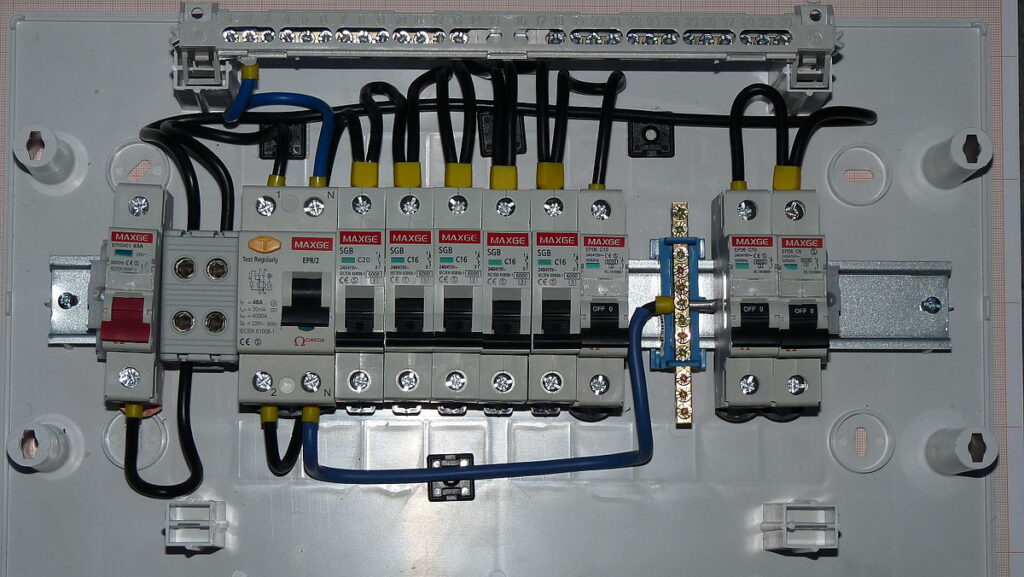
Before beginning any house rewiring project, careful planning and organisation are essential to ensure everything runs smoothly. The first step is to obtain an Electrical Installation Condition Report (EICR) to evaluate the current state of your electrical system. This report will highlight any faults or outdated components that require attention. For homeowners in Liverpool, professional electricians can provide reliable EICR assessments.
Next, it’s important to budget for rewiring costs, which typically range from £1,500 to £12,500 depending on your property’s size and complexity. To get an accurate estimate, consider consulting a house rewiring cost guide and obtaining multiple quotes from qualified electricians in Liverpool for comparison.
When designing the new wiring layout, think logically about your home’s flow, starting from the front door and moving through each room. Pay attention to the placement and number of sockets, light switches, TV points, and internet connections you’ll need. This planning stage is crucial to ensure the layout is both practical for daily life and fully compliant with UK building regulations.
Here’s an overview of what to expect during the rewiring process:
- Removal of old wiring and electrical fixtures from inside walls, ceilings, and under floors
- Installation of new wiring and a modern consumer unit, typically in the same location as the old system
- Routing new cables discreetly within walls and coving, followed by plastering and redecoration to restore the appearance of affected areas
Remember to include the redecoration phase in your overall project plan, as this is necessary once the rewiring is complete. Additionally, factor in costs for permits, skip hire, materials, and labour when budgeting your Liverpool home rewiring project.
Proper planning will make your rewiring experience much easier and help ensure your home’s electrical system is safe, efficient, and ready for modern living.
Costs to Rewire a House in 2025 in Liverpool

If you’re planning to rewire your home in Liverpool this year, understanding the costs involved is key to budgeting your project properly. The price of rewiring can vary significantly depending on factors such as the size of your property, the complexity of the wiring layout, and the quality of materials used.
Average Cost Range
In 2025, the typical cost to rewire a house in Liverpool ranges from £1,500 to £12,500. Here’s a rough breakdown based on property size:
- Small properties or flats (1-2 bedrooms): £1,500 – £3,000
- Medium-sized houses (3-4 bedrooms): £3,000 – £7,000
- Large homes or older properties needing extensive work: £7,000 – £12,500+
Factors Affecting the Cost
Several factors can influence the final price of your house rewiring project, including:
- Property age: Older homes often require more extensive work, especially if the wiring is outdated or not up to modern standards.
- Extent of rewiring: A full rewire costs more than partial rewiring or upgrading specific circuits.
- Number of sockets and switches: More sockets and lighting points increase the cost due to additional materials and labour.
- Access and property layout: Difficult-to-access wiring or complicated layouts may increase installation time and costs.
- Consumer unit replacement: Upgrading to a modern consumer unit (fuse box) with RCD protection adds to the overall expense.
- Re-plastering and decoration: Walls and ceilings may need repairing after wiring installation, which adds to the total cost.
Additional Considerations
Don’t forget to budget for additional services such as an Electrical Installation Condition Report (EICR), electrical certification, and any necessary building permits.
For detailed quotes and expert advice tailored to your Liverpool home, contact experienced local electricians through Maximec by getting in touch today.
What Is Involved in a Full House Rewire in Liverpool?
A full house rewire in Liverpool is a comprehensive electrical upgrade that involves replacing all the existing wiring and electrical components throughout your home. This process ensures your property meets current safety standards, supports modern electrical demands, and reduces risks such as electrical faults or fire hazards. Typically, a full rewire is carried out in two key stages: the “first fix” and the “second fix.” Understanding these steps can help you prepare for the work and ensure a smooth, efficient upgrade.
The full house rewiring process includes:
- First Fix:
- Installation of new wiring inside walls, ceilings, and floors before plastering.
- Fitting of back boxes for all sockets, switches, and light fittings.
- Best done in an empty home or before furniture and carpets are in place to avoid damage.
- It must be carried out by a licensed electrician for safety and compliance.
- Second Fix:
- Connecting all wiring to switches, sockets, lights, and appliances.
- Installation or replacement of the consumer unit (fuse box) to handle updated electrical loads.
- Final testing and certification to ensure the electrical system is safe and fully functional.
- Removal of Old Wiring:
- Complete extraction of existing cables to eliminate outdated or damaged wiring.
- Installation of new, fully compliant cables that meet UK electrical regulations.
- Upgrading Electrical Points:
- Replacement or addition of sockets to suit modern appliances.
- Installation of cooker points, heat detectors, and lighting circuits as needed.
For more information about upgrading your consumer unit during a full rewire, visit our Fuse Box Replacement Service page.
If you are planning a full house rewire in Liverpool, trust Maximec’s experienced electricians to handle your project professionally and safely. Contact us today to discuss your needs and receive a personalised quote.
Rewiring a House Yourself: Why Professional Help Is Essential
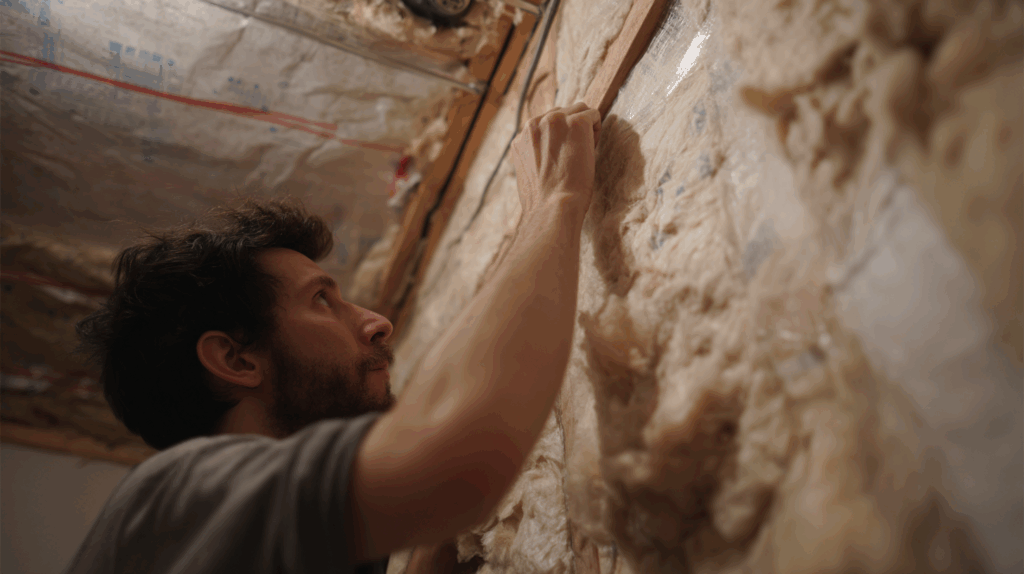
While it is technically possible to attempt rewiring your house on your own, we strongly advise hiring a licensed and qualified electrician to carry out the work. Regardless of who performs the rewiring, the job must be inspected and certified by a professional electrician to comply with safety regulations.
Rewiring is a complex and potentially dangerous task. Incorrect wiring can lead to serious hazards, including electrical fires and the risk of electrocution. These dangers not only threaten your safety and that of your household but can also result in insurance claims being denied if the work was done improperly by an unqualified person.
Though rewiring your home yourself isn’t illegal, it is regulated under Part P of the Building Regulations. This means your local council must inspect the work at various stages and charge a fee for these inspections. This regulatory oversight highlights the importance of entrusting rewiring projects to qualified electricians, ensuring your home meets all safety standards.
If you experience an electrical emergency or need urgent rewiring services in Liverpool, don’t hesitate to contact our reliable emergency electricians in Liverpool for prompt and professional assistance.