
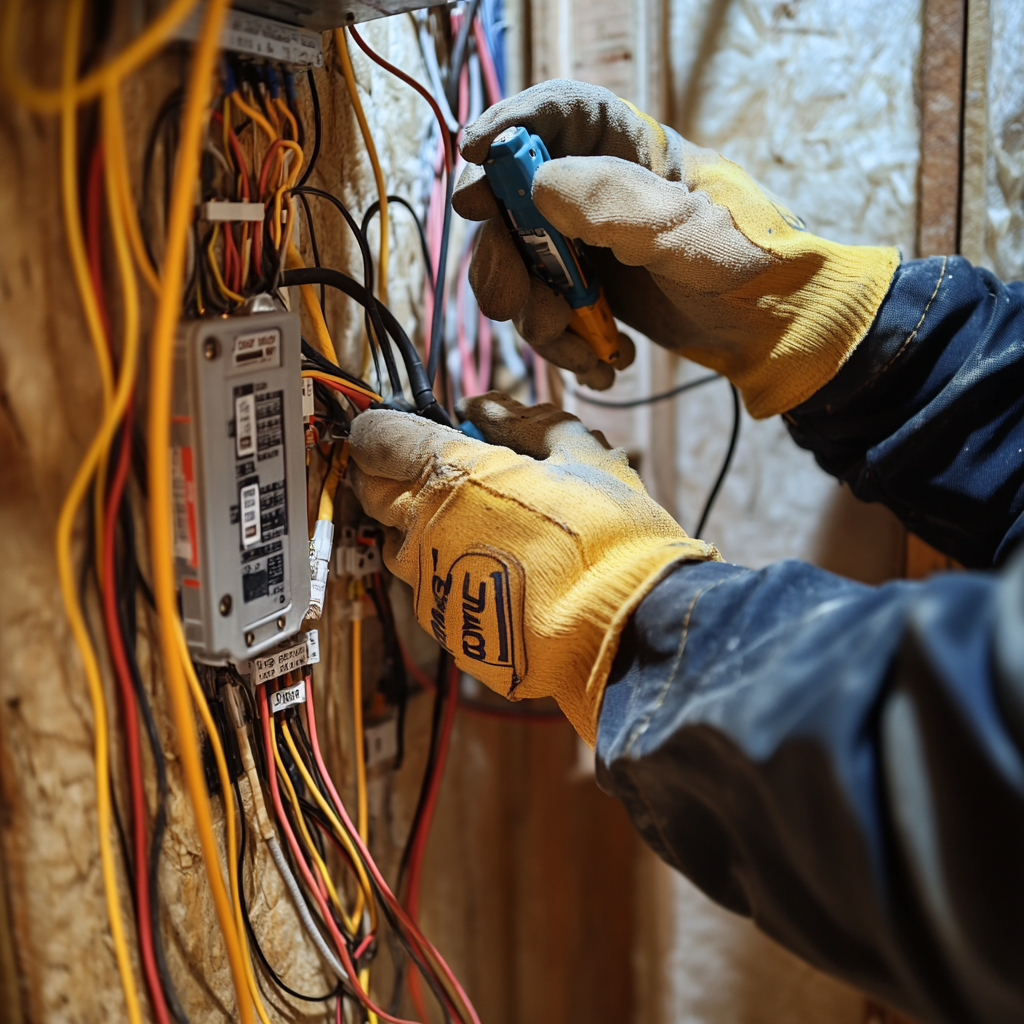
Electricians play a crucial role in the UK’s infrastructure, providing essential services for residential, commercial, and industrial sectors. From wiring homes and offices to maintaining complex electrical systems in factories, electricians are responsible for ensuring that electrical systems are safe, functional, and meet regulatory standards. The profession is diverse, offering numerous career paths and specializations, each with its unique set of challenges and rewards.
The Role of an Electrician

In the UK, an electrician is a trained professional responsible for installing, maintaining, and repairing electrical systems. These systems can range from basic lighting and electrical outlets in homes to complex wiring setups in large commercial and industrial buildings. Electricians are responsible for ensuring that electrical systems are installed according to safety regulations and that they function properly.
Electricians often work in various settings, including private homes, businesses, factories, and construction sites. They may also be involved in specialized work, such as installing fire alarms, security systems, or renewable energy systems like solar panels and wind turbines. They are integral to ensuring safety and efficiency, making their work indispensable across all sectors. If you’re looking for a trusted Electrician in Liverpool, there are reliable professionals who can help with everything from residential rewiring to complex commercial installations.
Key Skills and Qualifications
To become a fully qualified electrician in the UK, one must undergo extensive training. The most common route is through an apprenticeship, which combines practical work experience with theoretical learning. During the apprenticeship, electricians-in-training work under the supervision of experienced professionals while attending vocational schools or colleges to gain the necessary technical knowledge.
The qualifications required to become an electrician include:
- Level 3 NVQ Diploma in Electrotechnical Services (Electrician): This is the industry standard qualification for electricians in the UK.
- City & Guilds 2357: A widely recognized qualification for those completing their apprenticeship in electrotechnical services.
- AM2 Assessment: An end-of-apprenticeship exam that ensures the apprentice has acquired the skills and knowledge necessary to become a qualified electrician.
Electricians may also choose to specialize in particular areas of the industry, which often requires additional certifications. Specializations can include:
- Domestic Electricians: Focus on residential homes, including installation and maintenance of lighting, sockets, and electrical appliances.
- Commercial Electricians: Work in commercial settings like offices, shops, and warehouses, installing and maintaining complex systems.
- Industrial Electricians: Specialize in heavy electrical systems used in factories, power plants, and manufacturing facilities.
- Maintenance Electricians: Responsible for troubleshooting, maintaining, and repairing electrical systems to keep them functioning properly.
Additional skills that make electricians stand out include problem-solving, attention to detail, and physical stamina, as the work often involves long hours and the ability to handle demanding tasks.
The Growing Demand for Electricians in the UK
The electrical industry in the UK is currently facing a significant skills shortage, with demand for electricians outpacing the supply of qualified professionals. According to the UK Trade Skills Index, by 2032, the country will need an additional 104,000 electricians to meet growing demand. This skills gap presents a lucrative opportunity for those looking to enter the profession, with a clear path for career progression and competitive earnings.
As the need for skilled tradespeople increases, electricians can expect to find both job security and rewarding opportunities. A newly qualified electrician can earn an average salary of £32,000 annually (pre-tax), which serves as a strong foundation for those just entering the field. With the right skills and experience, this figure can rise significantly.
Whether you’re considering a career change to become an electrician or are already an experienced professional, understanding the earning potential and industry benchmarks can help guide your career decisions. In this article, we’ll dive deep into the salary trends for electricians in the UK, comparing positions and shedding light on the potential for growth within the trade.
Let’s explore how much electricians make, and what factors influence their earning power.
Average Electrician Salary in the UK
Understanding how much electricians earn in the UK depends on their level of experience, position, and employment status. Below is a detailed breakdown of typical salary expectations across different electrician roles in the country:
| Electrician Role | Income Per Hour | Income Per Day | Income Per Year |
|---|---|---|---|
| Apprentice Electrician | £6.30 | £50 | £11,000 |
| Newly-Qualified Electrician | £18 | £150 | £32,000 |
| Experienced Electrician | £25 | £200 | £52,000 |
| Self-Employed Sole Trader | £40 | £320 | £60,000 |
| Limited Company Business Owner | £45 | £360 | £65,000 |
(All figures are estimates, pre-tax.)
As you can see from the table, starting salaries for apprentice electricians are relatively modest at £11,000 per year. However, once qualified, an electrician can expect a significant boost in earnings—up to £32,000 annually. This represents a £20,000 increase just by completing an apprenticeship and gaining qualification.
For those with several years of experience, the salary jumps further, with experienced electricians earning around £52,000 per year on average. Self-employed electricians and business owners, particularly those running their own companies, can expect to see even higher earnings. While self-employment can bring in between £60,000 to £65,000 annually, business owners may see upwards of £65,000, depending on the size and scope of their operation.
Factors That Influence Electrician Salaries

While salary figures provide a general idea of what electricians can earn, there are several key factors that can affect income levels:
- Experience and Seniority: Naturally, electricians with more years in the industry tend to command higher salaries. The increase in pay is often tied to expertise and the ability to take on more complex or large-scale projects.
- Employment Type:
- Self-employed electricians have the potential to earn more than salaried workers due to their ability to set their own rates. However, they also face additional costs such as materials, tools, fuel, and other business-related expenses, which can affect take-home pay.
- Business owners running a limited company can earn significantly higher salaries. However, they must account for operational costs like payroll, taxes, and business expenses, which can reduce their overall profits.
- Specialization: Electricians specializing in high-demand sectors such as renewable energy, smart home systems, or electric vehicle (EV) installations may earn more due to the specialized nature of their work. These areas are growing rapidly, and businesses often pay a premium for skilled professionals in these fields.
- Location: Electrician salaries can vary depending on location, with electricians in London or the Southeast typically earning higher wages than those in other parts of the country. The higher cost of living in these regions also contributes to higher salary expectations.
- Sector and Industry: The type of work an electrician performs also impacts their salary. For example, electricians working in industrial settings or on large commercial projects tend to earn more than those working on smaller residential jobs. The complexity and scale of the project can demand more expertise and, consequently, higher wages.
How to Maximise Your Earnings as an Electrician
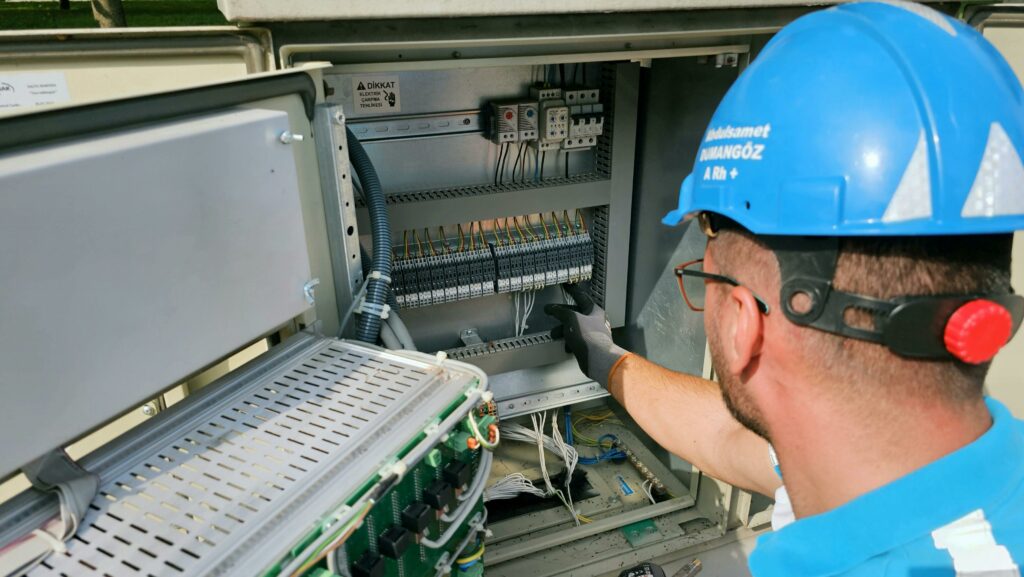
With the growing demand for electricians in the UK, there are abundant opportunities to boost your income. The increased focus on renewable energy and the ever-present need for electrical expertise mean that there are many ways to enhance your earnings, whether you’re just starting or are already an experienced professional. Let’s look at some strategies to help you increase your income potential in this thriving industry.
1. Capitalising on Emergency Call-Outs
Offering emergency call-out services can dramatically increase your income as an electrician. While the work itself may not be as glamorous as regular installations or repairs, the financial rewards are often worth the effort. Emergency jobs tend to come with higher rates due to the unsocial hours, and some electricians charge upwards of £140 just for showing up during an emergency call-out.
Key Benefits of Emergency Call-Outs:
- Higher Rates: Emergency electricians often charge significantly higher fees for services outside of normal working hours, with fees sometimes exceeding £140 just for arrival.
- Increased Earnings Per Job: On top of the emergency call-out fee, you will earn for any work completed during the visit, which can substantially increase your daily earnings.
- Growing Client Base: Offering emergency services positions you as a go-to professional for urgent repairs, which can help you grow your reputation and client base.
Considerations:
- Flexibility and Availability: You must be available around the clock, which can disrupt your regular working hours and personal time. Having a 24/7 customer service line is essential.
- Building Reputation: The key to securing repeat customers in emergency situations is delivering professional, high-quality service every time.
- Additional Costs: There may be added costs, including vehicle maintenance or special equipment needed for emergency repairs, so be sure to factor these into your pricing.
2. Specialising in Renewable Energy Installations
The UK government’s ambitious Net Zero 2050 target has driven a surge in demand for renewable energy solutions, creating a lucrative niche for electricians specialising in this field. Renewable energy systems, such as solar panels, electric vehicle (EV) charging stations, and energy storage systems, are expected to grow in demand for years to come. By investing in training and gaining qualifications in these sectors, you can tap into this rapidly expanding market.
Key Areas to Specialise In:
- Solar Panel Installations: With an increasing number of homeowners and businesses looking to switch to renewable energy, becoming a certified solar panel installer is a profitable avenue.
- EV Charging Points: The rise in electric vehicles is creating a need for home and business owners to have EV charging points installed, offering a great opportunity for electricians.
- Energy Storage Systems: As more homes and businesses adopt renewable energy sources, the need for efficient energy storage solutions, like batteries, is increasing.
Benefits of Specialising in Renewables:
- High Demand: The UK’s focus on reducing carbon emissions means that more individuals and companies are looking to implement renewable energy systems.
- Government Incentives: There may be grants, subsidies, or government programs available for clients who install renewable energy solutions, which could increase the number of projects you receive.
- Future-Proof Career: With sustainability becoming a global priority, a career in renewable energy ensures long-term job security and growth opportunities.
Training and Qualifications:
- Look for certifications in renewable energy systems, such as courses for solar PV installations or EV charging point installations.
- Consider Green Electrical Upskill Packages or Energy Storage Systems training to broaden your expertise and appeal to a larger client base.
3. Investing in Advanced Qualifications and Training
Ongoing training and certifications are one of the best ways to increase your earning potential as an electrician. The more specialized your skills, the higher the rates you can charge. For example, electricians who focus on high-demand fields like renewable energy can command significantly higher prices than those who only handle basic electrical tasks.
Key Qualifications to Boost Your Career:
- Level 3 Electrical Installations Diploma: An 8-week course that focuses on advanced electrical theory and practical skills, building on the foundation of Level 2.
- City & Guilds Level 3 Award: Specialised training for electricians who want to enhance their knowledge of the latest IET Wiring Regulations, crucial for ensuring compliance with safety standards.
- NVQ Level 3 Electrical: A comprehensive qualification that includes on-site work experience. It’s suitable for trainees who want to gain experience in real-world electrical installations.
- Renewable Energy Courses: Focused courses such as solar panel installation and electric vehicle charging certification are essential to enter the growing green energy market.
Benefits of Continued Education:
- Higher Pay: Specialised qualifications make you a sought-after professional, allowing you to charge more for your services.
- Expanded Opportunities: Additional skills allow you to take on more complex and higher-paying projects.
- Industry Recognition: Certifications from well-known institutions like City & Guilds provide you with industry credibility and trust.
Lifelong Learning:
- CPD (Continuing Professional Development) is an essential part of staying up to date with industry changes and improving your skill set.
- Competent Person Scheme Membership is required for self-certification of electrical installations and ensuring compliance with Building Regulations.
4. Becoming Self-Employed or Starting Your Own Electrical Business
Taking the leap into self-employment or starting your own electrical business can significantly increase your earning potential. According to recent figures, self-employed electricians can earn around £60,000 annually, while business owners operating a limited company can earn even more, starting at £65,000 or higher.
Financial Benefits of Self-Employment:
- Higher Earnings: As a self-employed electrician or business owner, you have the ability to set your rates, which can be higher than those employed by someone else.
- Freedom and Flexibility: You can choose which projects to take on and when, offering a level of work-life balance that many employed electricians don’t have.
- Expansion Potential: As a business owner, you have the ability to hire employees, scale your operations, and increase your revenue streams.
Considerations for Self-Employment:
- Operational Costs: Running your own business means covering costs such as vehicles, fuel, tools, insurance, and office space. These expenses can reduce your overall earnings, so it’s important to account for them in your pricing.
- Client Sourcing: Unlike an employed electrician, you’ll need to source your own clients and handle marketing, networking, and business development.
- Tax and Admin: Self-employment means you’ll be responsible for submitting self-assessment tax returns and managing your own financial paperwork.
Benefits of Owning a Business:
- Greater Control: As a business owner, you have more control over your daily schedule, business strategy, and long-term goals.
- Scalability: Once your business grows, you can hire other electricians and expand your offerings, increasing your overall profitability.
5. Building and Maintaining a Strong Reputation
A solid reputation is one of the most valuable assets an electrician can have, especially if you’re self-employed or operating a small business. Building trust with clients can lead to repeat business, referrals, and higher earnings. Reputation is critical in ensuring the longevity and success of your career.
Strategies for Building a Strong Reputation:
- Deliver Quality Work: Consistently providing top-notch service will not only ensure customer satisfaction but also increase the likelihood of repeat business.
- Customer Service: Clear communication, punctuality, and professionalism will create positive experiences for your clients, leading to referrals and good reviews.
- Networking: Actively engage in networking events and local business groups to raise your profile and gain new clients.
Maintaining Your Reputation:
- Follow Up: Checking in with clients after completing a job can foster positive relationships and ensure that you address any concerns they may have.
- Stay Updated: Keeping up with industry changes and regulatory updates ensures that your work is always compliant and high quality.
- Be Reliable: Always stick to agreed-upon schedules, respond to inquiries promptly, and ensure transparency in pricing.
Importance for Business Owners:
- Repeat Clients: Building long-term relationships with clients can result in repeat business and steady income.
- Employee Standards: If you employ other electricians, they must maintain the same level of professionalism and quality, as the reputation of your business depends on the team’s performance.
By implementing these strategies—whether it’s offering emergency services, specialising in renewable energy, continuing education, becoming self-employed, or building a strong reputation—you can significantly increase your earning potential and ensure long-term success in the electrical industry.
As you enhance your skills and take on more complex projects, it’s also crucial to ensure your work remains compliant and safe. For a detailed guide on essential electrical testing procedures, check out this helpful resource on electrical testing sequences.
Path to Becoming an Electrician: Education and Training

Becoming a qualified electrician involves a combination of education, practical training, and certifications. It’s a career that requires technical skills, problem-solving abilities, and a strong understanding of safety regulations. Whether you’re just starting out or looking to switch careers, understanding the education and training path is essential to building a successful future in the electrical industry.
Step-by-Step Journey to Becoming an Electrician:
- 1. Obtain Basic Education
You’ll typically need at least a Grade 4 or above in GCSEs, especially in Maths, English, and Science. Strong foundations in these subjects help with the technical aspects of electrical work. - 2. Enrol in a Level 2 Electrical Installation Course
Many aspiring electricians start with a Level 2 Diploma in Electrical Installations (Buildings and Structures). This course provides fundamental knowledge about wiring, circuits, and safety protocols. - 3. Advance to a Level 3 Qualification
A Level 3 Diploma in Electrical Installations covers more complex systems and regulations, preparing you for real-world projects. It’s often a requirement before you can move on to full-time work or an apprenticeship. - 4. Complete an Electrical Apprenticeship
An apprenticeship combines hands-on work experience with study. Over 3-4 years, you’ll work under the supervision of qualified electricians while attending college part-time to gain theoretical knowledge. You’ll typically earn while you learn. - 5. Achieve an NVQ Level 3 in Electrical Installation
The NVQ Level 3 is a workplace-based assessment that proves your competence. You’ll gather a portfolio of evidence from real jobs and complete an AM2 assessment (Achievement Measurement 2), a practical skills test. - 6. Become Part of a Competent Person Scheme
Once qualified, joining a Competent Person Scheme like NICEIC, NAPIT, or ELECSA allows you to self-certify your work, ensuring it meets building regulations without the need for separate inspections. - 7. Continue Professional Development (CPD)
The electrical industry constantly evolves. Regularly updating your knowledge on new regulations (such as the 18th Edition Wiring Regulations) and technologies (like EV charging points or smart home systems) keeps you competitive and compliant.
Additional Training Options:
- Specialised Courses: EV Charging Installations, Solar PV Systems, Fire Alarm Systems, Energy Storage Systems.
- Health and Safety Certifications: Such as ECS (Electrotechnical Certification Scheme) card or First Aid Training.
- Inspection and Testing Courses: Essential for electricians looking to expand their services to include periodic inspections.
Frequently Asked Question
1. What is the average salary for an electrician in the UK in 2025?
The average salary for a fully qualified electrician in the UK is expected to be around £32,000 to £52,000 per year before tax, depending on experience, location, and specialization. Self-employed electricians and business owners can earn upwards of £60,000 to £65,000 annually.
2. How much do apprentice electricians earn in 2025?
Apprentice electricians typically earn between £10,000 and £15,000 per year. As apprentices gain more on-site experience and complete qualifications, their pay increases gradually.
3. Do electricians earn more in London compared to other parts of the UK?
Yes. Electricians in London and surrounding areas often earn 15–25% more than the national average due to the higher cost of living and increased demand for skilled tradespeople.
4. Can electricians make six figures (£100,000+) a year?
It’s possible but rare for a standard employed electrician. However, electricians who specialize in high-demand areas (such as renewables or large commercial projects), own successful businesses, or take on high-volume emergency call-outs can reach or exceed £100,000 per year.
5. What types of electricians earn the most?
- Industrial electricians (factories, plants)
- Specialists in renewable energy installations (solar, EV chargers)
- Self-employed electricians running their own companies
- High-voltage or hazardous area electricians
These roles often come with higher risks and responsibilities, resulting in higher pay.
6. Does becoming self-employed increase an electrician’s salary?
Yes. Self-employed electricians often charge £40–£60 per hour and can significantly boost their income. However, they are responsible for business expenses like tools, insurance, vehicle maintenance, and taxes.
7. How much do electricians charge per hour in the UK in 2025?
In 2025, electricians typically charge between £30 and £60 per hour depending on their experience, the complexity of the job, and regional demand.
8. Is there a high demand for electricians in the UK right now?
Yes, demand is very high and projected to grow further. According to the UK Trade Skills Index, around 104,000 additional electricians are needed by 2032, driven by factors like construction growth, renewable energy projects, and infrastructure upgrades.
9. What factors influence how much an electrician earns?
- Experience and qualifications
- Location (urban vs rural)
- Specialization (commercial, industrial, renewables)
- Employment type (employed vs self-employed)
- Work hours (standard vs emergency call-outs)
10. Is becoming an electrician in the UK still a good career choice for 2025 and beyond?
Absolutely. With rising salaries, stable demand, and multiple opportunities to specialize or become self-employed, becoming an electrician remains a highly attractive career path in the UK for 2025 and beyond.