

Wondering if it’s time to rewire your home? Electrical systems are often out of sight and out of mind—until something goes wrong. Whether you’re dealing with flickering lights, outdated wiring, or you’re simply upgrading an older property, knowing when to rewire can prevent dangerous hazards and improve energy efficiency.
Home rewiring is a major investment, but it’s also a critical step in ensuring your property is safe, compliant with modern standards, and ready for today’s tech-heavy lifestyle. If you’re unsure where to start, understanding the role of a professional electrician can help guide you on what electricians do, covering everything from inspections to full rewiring jobs.
In this article, we’ll break down the common signs your house needs rewiring, what the rewiring process involves, and how much it typically costs, so you can make an informed decision with confidence.
Signs Your House Might Need Rewiring

If your home is over 25 years old or you’re experiencing electrical issues, it might be time to consider a full or partial rewire. Faulty wiring isn’t just inconvenient—it can pose serious safety risks. Below are the most common signs that your home may need rewiring:
- Frequent circuit breaker trips – A sign your system is overloaded or faulty.
- Flickering or dimming lights – Especially when using appliances, this indicates unstable wiring.
- Burning smell or discoloured outlets – Can point to overheating wires and fire hazards.
- Buzzing or crackling sounds – Electrical components should be silent; noises suggest loose or damaged wires.
- Old or outdated fuse box – Homes with outdated fuse boards often need full rewiring to meet current standards.
- Two-prong (non-grounded) outlets – Common in older homes, these don’t support modern safety grounding. Consider upgrading your sockets to safer, modern alternatives.
- Electrical shocks – Mild shocks when plugging or unplugging devices are a red flag.
- Aluminium wiring – Common in homes built before the 1980s, it’s more prone to overheating and should be upgraded.
How Much Does It Cost to Rewire a House?
Rewiring a house is a significant investment, but it’s also one of the most important upgrades you can make to ensure your home’s safety, energy efficiency, and compliance with modern electrical standards. The cost can vary greatly depending on several factors, but knowing what to expect can help you plan your budget and avoid surprises.
Typical Cost Range
On average in the UK, a full house rewire can cost anywhere between £2,500 to £8,000, depending on the property’s size, age, and complexity. Here’s a rough guide:
| Property Type | Estimated Cost |
|---|---|
| 1-Bed Flat | £1,500 – £3,000 |
| 2-Bed Terraced House | £2,000 – £4,000 |
| 3-Bed Semi-Detached | £3,000 – £6,000 |
| 4-Bed Detached House | £4,500 – £8,000+ |
Factors That Affect the Cost
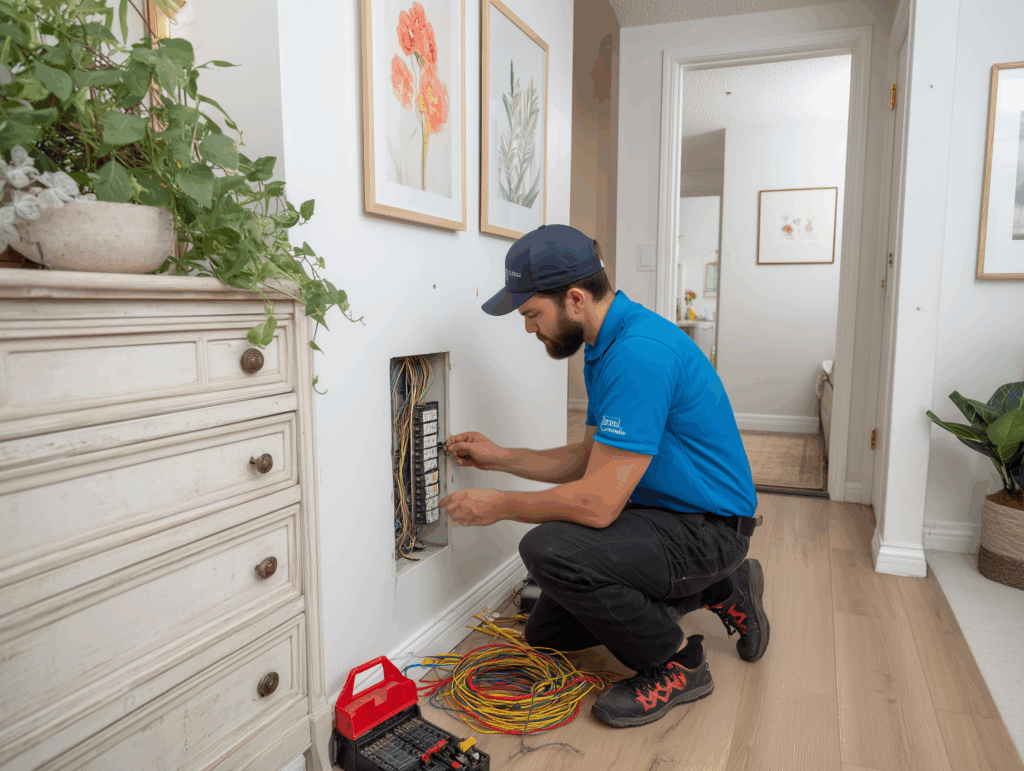
Let’s break down the main elements that influence the total cost of rewiring a home:
1. Size and Type of Property
The larger your home, the more wiring, outlets, switches, and labour will be required. A small one-bedroom flat may cost much less than a spacious detached house.
2. Age of Electrical System
Older homes often have outdated wiring that doesn’t meet current building regulations, such as aluminium wiring or fabric-insulated cables. These will need full replacement, which adds complexity and cost.
3. Access and Condition
If your walls, floors, or ceilings are difficult to access or you want to avoid damage to existing décor, it can make the job more labour-intensive. Empty or unfurnished homes are often cheaper to rewire.
4. Circuit and Socket Upgrades
Modern homes demand more power points and lighting configurations. If you’re installing new electrical sockets or replacing old ones, that will be calculated into your overall quote.
5. Fuseboard Upgrade
Most homes that need rewiring also need a new fuseboard (consumer unit) to meet the latest safety standards. If your current fuseboard is outdated, a fuseboard replacement is essential for a safe, regulation-compliant system.
6. Tripping Circuits and Faulty Loads
If you’ve been experiencing frequent circuit trips, blown fuses, or power outages, it may indicate a deeper problem. In such cases, rewiring might be part of a broader electrical solution. Learn more about how we resolve tripping circuit issues.
Additional Costs to Consider
Here are some extra expenses that might be added to your rewiring project:
- Plastering and redecoration after wall chases
- Upgrading to smart lighting or automation systems
- Installing exterior sockets, garden lighting, or EV chargers
- Adding fire alarms or security systems
Is It Cheaper to Do a Partial Rewire?
Yes, if only certain circuits or rooms need rewiring, a partial rewire is a more budget-friendly option. This is often suitable for newer homes or properties that have already had some electrical upgrades.
Final Tip
Always get a quote from a fully qualified and NICEIC-registered electrician. Ask for a detailed breakdown of what’s included—materials, labour, testing, and aftercare. And remember: while rewiring is a big project, it’s also one that adds real value to your home, improves safety, and helps futureproof your property.
The Home Rewiring Process: Step by Step
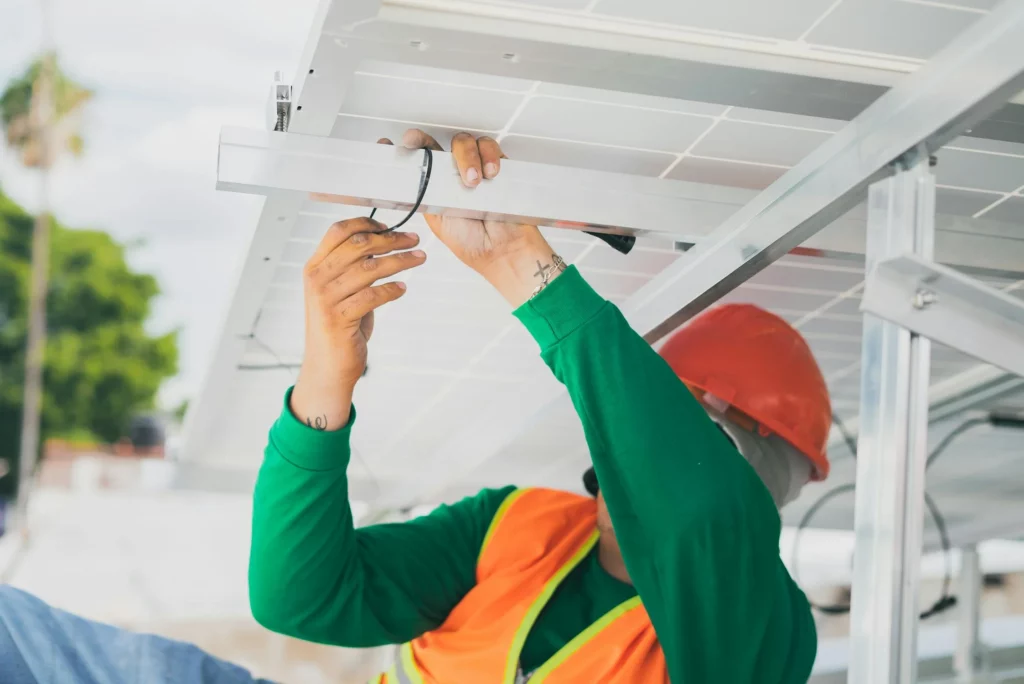
1. Initial Inspection and Assessment
A professional electrician begins the rewiring process by conducting a thorough inspection of your home’s current electrical system. This includes examining all wiring, sockets, switches, fuseboards, and electrical appliances to determine their condition and compliance with safety standards. The electrician also checks for outdated materials like aluminium wiring or fabric insulation, which are common in older homes and may pose safety risks. This detailed assessment helps identify exactly what parts of your electrical system need replacing or upgrading and allows for accurate planning.
Key Points:
- Comprehensive inspection of wiring, sockets, and fuseboards
- Checks for outdated or unsafe materials (e.g., aluminium wiring)
- Assesses overall electrical safety and compliance
- Identifies scope of rewiring work needed
2. Planning and Quotation
After completing the inspection, the electrician creates a detailed plan tailored specifically for your property. This plan outlines which circuits will be rewired, how many new sockets and lighting points will be installed, and if the consumer unit (fuseboard) needs upgrading. The electrician also factors in your preferences, such as additional outlets or smart home integrations. You will then receive a clear, itemised quote including materials, labour, and any additional costs before any work begins.
Key Points:
- Custom rewiring plan based on inspection results
- Includes circuit replacements, new sockets, lighting, and fuseboard upgrades
- Incorporates customer preferences and additional installations
- Provides a transparent, itemised cost estimate
3. Permissions and Safety Compliance
For landlords and rental properties, rewiring must comply with legal safety requirements. An Electrical Installation Condition Report (EICR) is often required both before and after rewiring to certify that the electrical system is safe and compliant. The electrician will handle all necessary inspections and paperwork to ensure your property meets the latest regulations. You can learn more about the importance of this process and how it protects tenants in our EICR landlord electrical reporting guide.
Key Points:
- EICR is required to certify electrical safety and compliance
- Mandatory for landlords and rental properties
- An electrician manages inspections and regulatory paperwork
- Ensures tenant safety and legal compliance
4. Preparation
Before starting the rewiring work, the electrician will advise you on how to prepare your home. This often includes moving furniture away from walls, covering valuable items, and arranging for temporary power disconnection. The work may cause some disruption, so adequate preparation helps minimise inconvenience and protects your belongings.
Key Points:
- Move or cover furniture and valuables
- Arrange for a temporary power shutdown
- Prepare for possible dust and minor disruptions
- Follow the electrician’s specific prep instructions
5. Removal of Old Wiring
Once the site is prepared, electricians carefully remove all outdated or unsafe wiring from your walls, ceilings, and floors. This step involves cutting into plaster or floorboards to access hidden cables, which will later be replaced. Special care is taken to minimise damage and ensure safe removal of potentially hazardous materials.
Key Points:
- Removal of old cables and wiring systems
- Access through walls, ceilings, and floors as needed
- Minimise damage to the property structure
- Safe disposal of hazardous materials
6. Installation of New Wiring and Components
After removing the old system, electricians install brand-new cables, sockets, switches, and other electrical components according to the rewiring plan. Modern wiring materials compliant with current safety standards are used. If required, the fuseboard (consumer unit) is upgraded or replaced with a safer, more reliable model.
Key Points:
- Installation of modern, regulation-compliant wiring
- Fitting of new sockets, switches, and lighting points
- Fuseboard upgrade or replacement if necessary
- Adherence to current electrical standards
7. Testing and Certification
Following installation, rigorous testing is conducted to ensure all wiring and components function safely and correctly. Tests include checking insulation resistance, earth continuity, polarity, and overall circuit integrity. Once testing is complete, the electrician provides certification confirming your home’s electrical safety.
Key Points:
- Comprehensive electrical safety tests performed
- Includes insulation, earth continuity, and polarity tests
- Certification is provided on successful completion
- Confirms compliance with safety regulations
8. Restoration and Clean-Up
After successful testing, any holes or chases made during installation are carefully patched and repaired. The work area is cleaned up, leaving your home neat and ready to use. You may need to arrange for plastering or decorating services separately, depending on the extent of wall or ceiling work.
Key Points:
- Patching and repairing walls and ceilings
- Thorough cleaning of work areas
- Home restored to original condition as much as possible
- Optional plastering or decorating
9. Fire Safety and Alarm Checks
Once rewiring is complete, maintaining home safety includes regular fire alarm testing and upkeep. Properly functioning smoke alarms are crucial for early fire detection and can save lives. For detailed advice on how often to check and maintain fire alarms, see our complete fire alarm safety guide.
Key Points:
- Regular testing and maintenance of fire alarms
- Ensures early warning in case of fire
- Vital part of ongoing home safety
- Follow expert guidance for best practices
Finding the Best Electrician in Liverpool and the North West
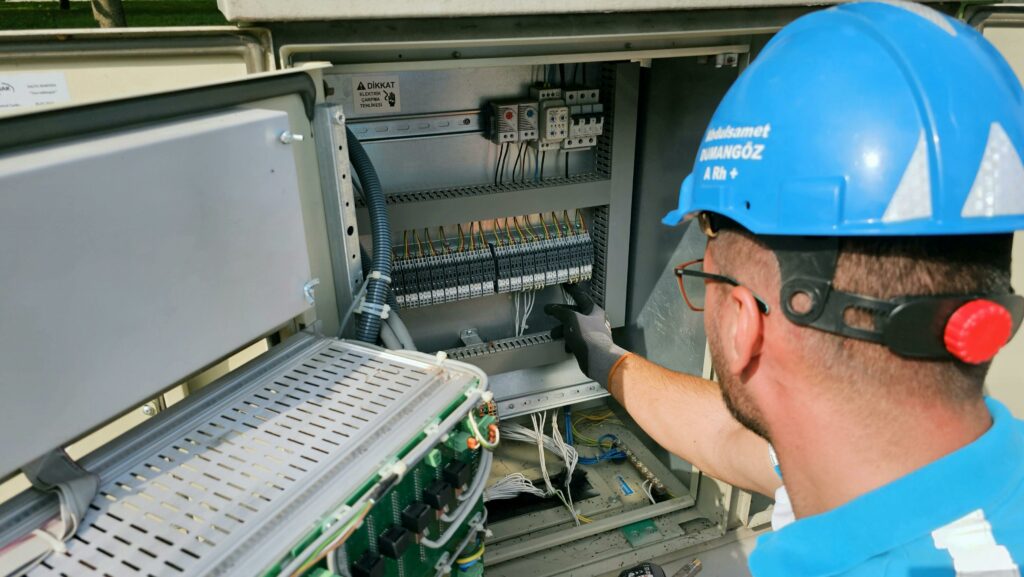
When it comes to rewiring your home or handling any electrical work, choosing the right electrician is crucial for safety, quality, and peace of mind. Whether you need a full home rewire, fuseboard replacement, or specialist services like EV charger installation or security systems, partnering with a reliable, certified professional is essential.
If you’re based in Liverpool or the wider North West, Maxim Electrical Contractors LTD is a trusted name offering expert electrical services tailored to your needs. With extensive experience in domestic, commercial, and industrial projects, Maxim Electrical Contractors provides comprehensive solutions including:
- Complete or partial home rewiring
- EV charger installations are compliant with all regulations
- Modern lighting design and installation for indoor, outdoor, and security purposes
- Professional fault finding and repairs to quickly resolve power issues and electrical faults — learn more about their expert electrical faults repair services
- Reliable installation of advanced CCTV, intruder alarms, and access control systems for comprehensive security — explore their CCTV and security system solutions
- Thorough electrical inspections, certificates, and PAT testing to ensure your property meets safety regulations — discover their electrical inspection and testing services
- Fuseboard replacements and electrical safety upgrades
All work by Maxim Electrical Contractors is carried out by fully NICEIC-registered and insured electricians, backed by the prestigious NICEIC Platinum Promise. This means you can trust their team to deliver safe, high-quality workmanship with minimal disruption and complete customer satisfaction.
Why Choose Maxim Electrical Contractors?
- Certified and insured professionals ensuring compliance with the latest safety standards
- Tailored services for domestic, commercial, and industrial clients
- Transparent, no-obligation, free estimates and expert advice
- Commitment to quality, reliability, and excellent customer service
- Serving Liverpool and the North West with a strong local reputation
Get in Touch Today
Ready to improve your home’s electrical safety and functionality with trusted experts? Contact Maxim Electrical Contractors LTD for a free consultation and tailored quote. Whether it’s rewiring, installing EV chargers, or upgrading your fuseboard, their professional team is ready to help.
Visit Maxim Electrical Contractors LTD to learn more or call them directly on 0151 792 3243.